Is $100k a Good Salary in Melbourne?

$100,000 is an excellent salary in Melbourne, placing you above roughly 86% of earners. After taxes (~23% effective rate), your take-home is approximately $6,419/month. A 1-bedroom apartment averages $1,700/month (26% of net income).
Wondering if $100k is a good salary in Melbourne? The answer depends on several factors unique to Melbourne's economy and your personal circumstances. In this guide, we break down exactly what $100k buys you in Melbourne, from housing and groceries to taxes and savings potential.
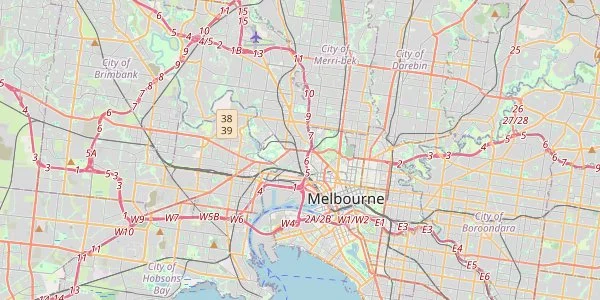
Melbourne at a Glance
| Category | Monthly | % of Net |
|---|---|---|
| Gross Income | $8,333 | — |
| Est. Taxes & Deductions | −$1,914 | — |
| Net Take-Home | $6,419 | 100% |
| Rent (1BR) | $1,700 | 26% |
| Groceries | $360 | 6% |
| Transport | $130 | 2% |
| Utilities | $105 | 2% |
| Leisure | $175 | 3% |
| Savings | $3,949 | 62% |
Earning $100k in Melbourne puts you in a strong financial position with real optionality. At this income level, you're likely clearing $6,419/month after taxes, which opens doors that weren't available at lower salary tiers. The big question shifts from "can I afford to live here?" to "how strategically am I building wealth?" In Melbourne, where the median salary is $58,000, you're earning well above average and should be thinking about homeownership, investment portfolios, and long-term financial independence.
Homeownership becomes a realistic goal at $100k in Melbourne. Lenders typically approve mortgages at 3-4x annual income, which means you could qualify for a $350,000 property. Factor in Melbourne's housing market dynamics — down payment requirements, property taxes, and HOA fees — to determine whether buying or renting maximizes your wealth building. Even if buying isn't right now, directing surplus income into index funds or retirement accounts ensures your money works as hard as you do.
At this career stage, total compensation matters more than base salary alone. Mid-level professionals in Melbourne should actively negotiate for equity compensation (RSUs or stock options), higher 401(k)/pension matching, and performance bonuses. These components can add 20-40% on top of your base salary. If your current employer doesn't offer equity, consider whether a move to a company that does would accelerate your path to senior-level roles and compensation.
Work-life balance becomes increasingly important at the $100k tier. Melbourne offers a quality of life index of , and at this income level you can afford to enjoy it. Budget for experiences, travel, and personal development alongside your savings goals. The sweet spot is saving 20-30% of gross income while still living well — a balance that $100k in Melbourne makes entirely achievable.
- vs. city median: $100,000 is above the Melbourne median of $58,000 (172% of median).
- Earner percentile: Top 14% (above 86% of earners in Melbourne).
- Purchasing power: strong (index: 82, where NYC = 100).
- Equivalent salary: New York: $143k | London: $121k | San Francisco: $150k.
Key Factors That Influence Your Earnings in Melbourne
- Equity Compensation: At the mid-level tier in Melbourne, RSUs and stock options can represent 15-40% of total compensation. Understand your vesting schedule and consider the tax implications of exercising options versus holding shares.
- Retirement Contribution Strategy: Maxing out your 401(k) ($23,500/year) at $100k reduces taxable income significantly. If your employer matches, that's an immediate 50-100% return on contributed dollars — the best guaranteed return you'll find.
- Mortgage Qualification: At $100k, you qualify for approximately $350,000 in mortgage lending. In Melbourne, this determines whether homeownership is a wealth-building tool or an overextension risk.
- Career Ladder to Senior Roles: The jump from mid-level to senior in Melbourne typically means a 25-50% compensation increase. Invest in leadership skills, cross-functional projects, and visibility with decision-makers to accelerate this transition.
- Geographic Arbitrage: If remote work is available, earning $100k while living in a lower-cost area near Melbourne can dramatically improve your savings rate without sacrificing career growth.
Tips to Negotiate a Better Salary in Melbourne
- At the $100k level in Melbourne, leverage competing offers strategically. Even if you prefer your current employer, a credible outside offer demonstrates your market value and gives your manager ammunition to approve a raise internally.
- Negotiate equity and RSUs explicitly — at mid-level, companies in Melbourne increasingly offer equity to retain talent. Ask for RSU grants, accelerated vesting on promotion, or equity refresh grants annually. A $10,000-$30,000 annual equity grant compounds significantly over 3-4 years.
- Push for a promotion timeline in writing. At $100k, the biggest salary jump comes from title changes (Senior, Lead, Principal), not annual merit raises. Ask: "What specific milestones would qualify me for promotion within 12-18 months?"
Common Questions About Earning $100k in Melbourne
A $100k salary in Melbourne puts you in the 86th percentile of earners, which is considered excellent. The median salary in Melbourne is $58,000. After taxes (effective rate: 23%), your monthly take-home would be approximately $6,419.
On a $100k salary in Australia, you would pay approximately $22,967 in taxes annually, giving you an effective tax rate of 23%. Your net annual income would be approximately $77,033.
The average rent for a 1-bedroom apartment in Melbourne is $1,700/month, while a 2-bedroom averages $2,400/month. On a $100k salary, rent would consume approximately 26% of your after-tax income.
The median salary in Melbourne is $58,000. A $100k salary puts you above the median, in the 86th percentile of earners in the city.
The cost of living index in Melbourne is 70 (NYC = 100). Key monthly costs include: rent $1,700 (1BR), groceries $360, and transport $130.
On a $100k salary in Melbourne, after taxes and typical living expenses, you could save approximately $3,949 per month. This accounts for rent, groceries, transportation, utilities, and leisure spending.
Last updated: 2026-04-09 | Data sources: Numbeo, OECD, Glassdoor, and local government statistics.
Calculate Your Take-Home Pay in Melbourne
Enter your salary to see your exact take-home pay, tax breakdown, and how you compare in Melbourne.
Get Your Personalized Salary Report
Full tax breakdown, budget analysis, raise scenarios, and city comparisons — personalized for your salary in Melbourne.
Full salary report available for $9 • Relocation report $14