Is $300k a Good Salary in Vancouver?
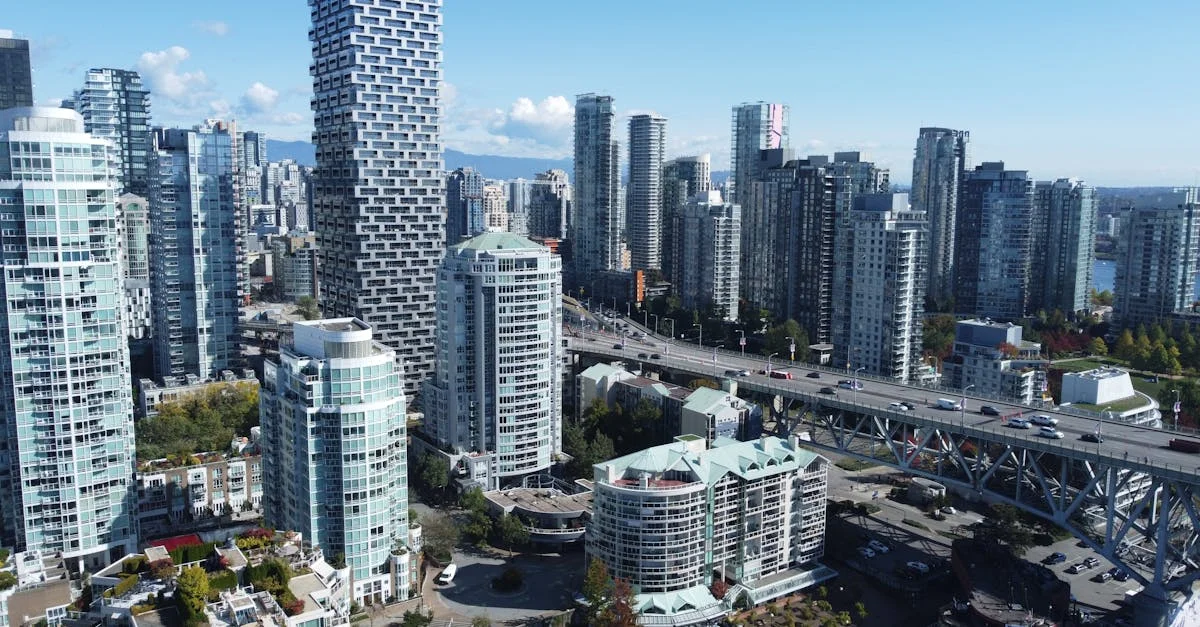
$300,000 is an excellent salary in Vancouver, placing you above roughly 99% of earners. After taxes (~32.6% effective rate), your take-home is approximately $16,858/month. A 1-bedroom apartment averages $2,000/month (12% of net income).
Wondering if $300k is a good salary in Vancouver? The answer depends on several factors unique to Vancouver's economy and your personal circumstances. In this guide, we break down exactly what $300k buys you in Vancouver, from housing and groceries to taxes and savings potential.
Vancouver at a Glance
| Category | Monthly | % of Net |
|---|---|---|
| Gross Income | $25,000 | — |
| Est. Taxes & Deductions | −$8,142 | — |
| Net Take-Home | $16,858 | 100% |
| Rent (1BR) | $2,000 | 12% |
| Groceries | $342 | 2% |
| Transport | $120 | 1% |
| Utilities | $110 | 1% |
| Leisure | $183 | 1% |
| Savings | $14,103 | 84% |
A $300k salary in Vancouver places you firmly in the top earner bracket, but high income brings high complexity. With an effective tax rate of ~32.6%, tax optimization becomes one of your most impactful financial strategies. Maximizing contributions to tax-advantaged accounts (401(k), HSA, backdoor Roth IRA), timing capital gains, and exploring qualified opportunity zones can save you tens of thousands annually. At this income level, working with a CPA or financial advisor in Vancouver typically pays for itself many times over.
Wealth building at $300k requires a different playbook than simply "save more." You should be diversifying across asset classes: index funds, real estate (potentially investment properties in Vancouver or nearby markets), tax-efficient municipal bonds, and potentially alternative investments. If your employer offers deferred compensation plans or mega backdoor Roth options, these become powerful tools for accelerating wealth accumulation beyond standard contribution limits.
For families earning $300k in Vancouver, education and lifestyle decisions carry significant financial weight. Private school tuition ($20,000-$50,000+/year per child), premium healthcare plans, and neighborhood choice all compete for discretionary income. The key is avoiding lifestyle inflation that consumes your earning advantage. Many high earners in Vancouver find that maintaining a lifestyle closer to the $150k level while investing the surplus creates generational wealth within a decade.
Executive compensation negotiation at this tier operates by different rules. Signing bonuses ($25,000-$100,000+), retention packages, equity refresh grants, and severance protections are all on the table. When evaluating offers in Vancouver, model the full 4-year total compensation including vesting schedules, bonus targets, and benefits value. A $200k base with strong equity can outperform a $250k base with none — the details matter enormously at this level.
- vs. city median: $300,000 is above the Vancouver median of $55,000 (545% of median).
- Earner percentile: Top 1% (above 99% of earners in Vancouver).
- Purchasing power: moderate (index: 78, where NYC = 100).
- Equivalent salary: New York: $411k | London: $349k | San Francisco: $432k.
Key Factors That Influence Your Earnings in Vancouver
- Stock Options & RSU Strategy: At $300k in Vancouver, equity often represents 30-60% of total compensation. Develop a systematic selling strategy — holding concentrated positions in a single stock adds unnecessary risk regardless of how much you believe in the company.
- Deferred Compensation Plans: Non-qualified deferred compensation (NQDC) lets you defer income beyond 401(k) limits, reducing your current tax burden. At this income level in Canada, deferring $50,000-$100,000+ annually into these plans can yield significant tax savings.
- Tax-Advantaged Accounts: Beyond standard retirement accounts, explore backdoor Roth IRA ($7,000/year), mega backdoor Roth ($46,000+ additional), HSA ($4,150-$8,300), and 529 plans. These vehicles shelter $300k-level income from Canada's progressive tax rates.
- Executive Benefits & Perks: At this tier in Vancouver, negotiate for financial planning services, legal fee coverage, supplemental insurance, and executive health programs. These perks are tax-efficient and worth $10,000-$30,000+ annually in value.
- Wealth Preservation: Estate planning, asset protection, and umbrella insurance become essential at $300k. A single lawsuit or liability event without proper protection can erase years of high-income savings.
Tips to Negotiate a Better Salary in Vancouver
- Executive negotiation at $300k+ in Vancouver requires a different approach. Engage a compensation attorney or executive recruiter to review your offer — the $2,000-$5,000 cost typically yields $20,000-$100,000+ in improved terms across base, equity, and protections.
- Negotiate signing bonuses aggressively — at this tier, $25,000-$100,000+ signing bonuses are standard for executive moves in Vancouver. Structure them to offset unvested equity you're leaving behind ("make-whole" provisions) and negotiate clawback terms carefully.
- Secure retention packages and severance protections upfront. At $300k, ask for 6-12 months severance with accelerated vesting on termination without cause. Also negotiate annual equity refreshers, guaranteed bonus floors, and change-of-control provisions before accepting.
Common Questions About Earning $300k in Vancouver
A $300k salary in Vancouver puts you in the 99th percentile of earners, which is considered excellent. The median salary in Vancouver is $55,000. After taxes (effective rate: 32.6%), your monthly take-home would be approximately $16,858.
On a $300k salary in Canada, you would pay approximately $97,706 in taxes annually, giving you an effective tax rate of 32.6%. Your net annual income would be approximately $202,294.
The average rent for a 1-bedroom apartment in Vancouver is $2,000/month, while a 2-bedroom averages $2,800/month. On a $300k salary, rent would consume approximately 12% of your after-tax income.
The median salary in Vancouver is $55,000. A $300k salary puts you above the median, in the 99th percentile of earners in the city.
The cost of living index in Vancouver is 73 (NYC = 100). Key monthly costs include: rent $2,000 (1BR), groceries $342, and transport $120.
On a $300k salary in Vancouver, after taxes and typical living expenses, you could save approximately $14,103 per month. This accounts for rent, groceries, transportation, utilities, and leisure spending.
Last updated: 2026-06-03 | Data sources: Numbeo, OECD, Glassdoor, and local government statistics.
Calculate Your Take-Home Pay in Vancouver
Enter your salary to see your exact take-home pay, tax breakdown, and how you compare in Vancouver.
Get Your Personalized Salary Report
Full tax breakdown, budget analysis, raise scenarios, and city comparisons — personalized for your salary in Vancouver.
Full salary report available for $9 • Relocation report $14