Is $80k a Good Salary in Toronto?

$80,000 is an above-average salary in Toronto, placing you above roughly 74% of earners. After taxes (~22.7% effective rate), your take-home is approximately $5,153/month. A 1-bedroom apartment averages $2,100/month (41% of net income).
Wondering if $80k is a good salary in Toronto? The answer depends on several factors unique to Toronto's economy and your personal circumstances. In this guide, we break down exactly what $80k buys you in Toronto, from housing and groceries to taxes and savings potential.
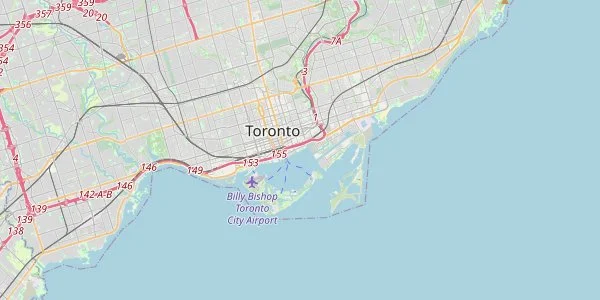
Toronto at a Glance
| Category | Monthly | % of Net |
|---|---|---|
| Gross Income | $6,667 | — |
| Est. Taxes & Deductions | −$1,514 | — |
| Net Take-Home | $5,153 | 100% |
| Rent (1BR) | $2,100 | 41% |
| Groceries | $351 | 7% |
| Transport | $130 | 3% |
| Utilities | $113 | 2% |
| Leisure | $188 | 4% |
| Savings | $2,271 | 44% |
At $80k in Toronto, smart budgeting is your most powerful tool. With a take-home of roughly $5,153/month, every dollar counts. Consider the 50/30/20 rule as a starting framework: 50% for essentials (rent, groceries, transit), 30% for wants, and 20% for savings and debt repayment. In Toronto, where 1-bedroom rent averages $2,100/month, you may need to adjust these ratios or explore roommate arrangements to keep housing costs under 30% of your net income.
Transportation can be a hidden budget saver in Toronto. A monthly transit pass costs around $130, which is significantly cheaper than car ownership (insurance, fuel, parking, maintenance). If your commute allows it, public transit or cycling can free up $300-$600/month that goes straight into your emergency fund. At this income level, building a 3-month emergency cushion should be your top financial priority before investing.
Career growth is where $80k earners in Toronto have the most upside. This salary range typically corresponds to 1-4 years of experience, and the jump from entry to mid-level can mean a 30-50% raise within 2-3 years. Focus on building in-demand skills, seek mentorship, and don't underestimate the value of company-sponsored certifications or education benefits. Many employers in Toronto offer professional development budgets that effectively add thousands to your total compensation.
Living on $80k in Toronto is absolutely doable with the right approach. Prioritize building good financial habits now — automate savings, avoid lifestyle creep, and track your spending monthly. The habits you build at this income level will compound dramatically as your career progresses and your earnings grow.
- vs. city median: $80,000 is above the Toronto median of $58,000 (138% of median).
- Earner percentile: Top 26% (above 74% of earners in Toronto).
- Purchasing power: strong (index: 82, where NYC = 100).
- Equivalent salary: New York: $106k | London: $90k | San Francisco: $113k.
Key Factors That Influence Your Earnings in Toronto
- Cost-Sharing Opportunities: Splitting rent with a roommate in Toronto can save $630-$1,050/month. At $80k, this single decision can be the difference between living paycheck-to-paycheck and building savings.
- Public Transit Savings: Toronto's transit pass at $130/month is a fraction of car ownership costs. Choosing transit-accessible neighborhoods lets you redirect $4,000-$7,000/year toward debt payoff or emergency savings.
- Entry-Level Benefits: Don't overlook employer-sponsored benefits at entry level — health insurance, 401(k) match, and education reimbursement can add 15-25% to your effective compensation. Always contribute enough to capture the full employer match.
- Side Income Potential: Freelancing, tutoring, or gig work in Toronto can supplement $80k by $500-$1,500/month. This extra income accelerates your path to the next salary tier while building a broader skill set.
- Career Certification ROI: Industry certifications (AWS, PMP, CPA, etc.) in Toronto's job market can boost entry-level salaries by 10-20%. Many employers offer certification stipends — take advantage of them before paying out of pocket.
Tips to Negotiate a Better Salary in Toronto
- For your first salary negotiation in Toronto, always counter the initial offer — even a 5-10% bump on $80k adds $4,000-$8,000/year. Most employers expect a counter and build room for it into their offers.
- Look beyond base salary: signing bonuses, relocation assistance, extra PTO, flexible hours, and education budgets are often easier for employers to grant than salary increases. Total compensation at entry level can vary by $5,000-$15,000 based on benefits alone.
- Research Toronto-specific salary data on Glassdoor, Levels.fyi, and LinkedIn Salary before your negotiation. Citing local market rates ("The range for this role in Toronto is $X-$Y") is far more convincing than generic national averages.
Common Questions About Earning $80k in Toronto
A $80k salary in Toronto puts you in the 74th percentile of earners, which is considered above average. The median salary in Toronto is $58,000. After taxes (effective rate: 22.7%), your monthly take-home would be approximately $5,153.
On a $80k salary in Canada, you would pay approximately $18,172 in taxes annually, giving you an effective tax rate of 22.7%. Your net annual income would be approximately $61,828.
The average rent for a 1-bedroom apartment in Toronto is $2,100/month, while a 2-bedroom averages $2,900/month. On a $80k salary, rent would consume approximately 41% of your after-tax income.
The median salary in Toronto is $58,000. A $80k salary puts you above the median, in the 74th percentile of earners in the city.
The cost of living index in Toronto is 75 (NYC = 100). Key monthly costs include: rent $2,100 (1BR), groceries $351, and transport $130.
On a $80k salary in Toronto, after taxes and typical living expenses, you could save approximately $2,271 per month. This accounts for rent, groceries, transportation, utilities, and leisure spending.
Last updated: 2026-04-09 | Data sources: Numbeo, OECD, Glassdoor, and local government statistics.
Calculate Your Take-Home Pay in Toronto
Enter your salary to see your exact take-home pay, tax breakdown, and how you compare in Toronto.
Get Your Personalized Salary Report
Full tax breakdown, budget analysis, raise scenarios, and city comparisons — personalized for your salary in Toronto.
Full salary report available for $9 • Relocation report $14