Data Analyst Salary in Melbourne

The Data Analyst role has transformed significantly in recent years, and Melbourne's job market reflects these changes in its compensation structures. From traditional base-salary models to equity-heavy startup packages, understanding the full spectrum helps you evaluate offers more effectively.
The Data Analyst market in Melbourne offers different compensation philosophies depending on the employer's stage and culture. Bootstrapped companies emphasize profitability and tend toward moderate, stable salaries. VC-backed startups often offer below-market base with significant equity upside. Established tech companies provide high base + RSUs with predictable vesting schedules.
Cross-functional skills increasingly affect Data Analyst compensation in Melbourne. Professionals who combine technical depth with business acumen, communication skills, or domain expertise consistently earn 15-25% more than pure specialists. The ability to translate between technical and business stakeholders is particularly valued.
Internal promotion versus external hiring dynamics in Melbourne create important salary implications. Research suggests that Data Analyst professionals who change companies every 2-3 years earn 15-25% more over a decade than those who stay. However, internal promotions at top companies can close this gap through accelerated career progression and loyalty-based equity grants.
The role of certifications in Data Analyst compensation varies significantly. Cloud certifications (AWS, Azure, GCP), security credentials (CISSP), and specialized qualifications can add measurable value in Melbourne's market—typically $5,000-$15,000 in annual compensation—particularly when they validate expertise in high-demand areas.
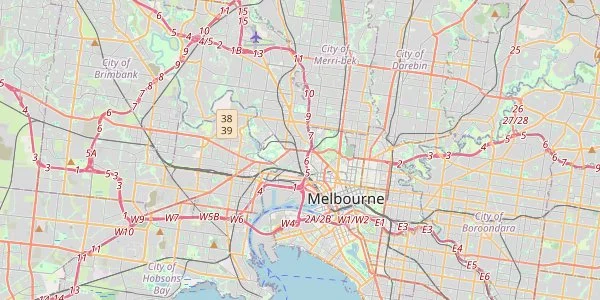
Melbourne at a Glance
| City | Median | P75 | Growth |
|---|---|---|---|
| Melbourne ★ | $62,000 | $80,000 | ↑3.2% |
| San Francisco | $105,000 | $135,000 | ↑3% |
| Seattle | $98,000 | $125,000 | ↑3.5% |
| New York | $90,000 | $115,000 | ↑3.5% |
| Zurich | $86,000 | $109,000 | ↑2.8% |
| Los Angeles | $85,000 | $110,000 | ↑3.2% |
Factors That Impact Data Analyst Pay in Melbourne
- Industry Sector: Finance, healthcare tech, and cybersecurity sectors often pay Data Analyst roles 20-40% more than media, education, or non-profit sectors.
- Company Type: FAANG companies, well-funded startups, consulting firms, and traditional enterprises offer very different pay scales for Data Analyst roles in Melbourne.
- Technical Specialization: Niche skills like AI/ML, cloud architecture, or security often command 15-30% higher compensation than generalist Data Analyst roles.
- Years of Experience: Data Analyst salaries increase substantially with career progression. The jump from junior (0-2 years) to mid-level (3-5 years) typically adds 30-50% to base compensation.
- Negotiation Skill: Research shows that Data Analyst professionals who negotiate receive 10-20% more than those who accept first offers, making negotiation ability a direct salary factor.
How to Negotiate a Higher Data Analyst Salary
- Research the company's funding stage, revenue trajectory, and recent news to calibrate expectations and demonstrate genuine interest during negotiations.
- Demonstrate value through concrete examples: portfolio work, case studies, open-source contributions, or quantified past achievements ("reduced deployment time by 60%").
- Ask about the full equity package—vesting schedule, cliff period, exercise window, and current valuation—before evaluating the total offer.
Common Questions About Data Analyst Compensation
The median Data Analyst salary in Melbourne is $62,000 per year. Salaries range from $48,000 (25th percentile) to $80,000 (75th percentile), with top earners making $102,000+.
Senior Data Analysts (8+ years experience) in Melbourne typically earn between $80,000 and $102,000 per year, placing them in the top 25% of earners in this role.
Melbourne has a tech hub score of 6/10. The median Data Analyst salary of $62,000 exceeds the city's overall median salary.
Data Analyst salaries in Melbourne have grown by 3.2% year-over-year, reflecting strong demand for this role.
The Data Analyst median salary of $62,000 in Melbourne can vary significantly compared to other major tech hubs. Cost of living adjustments can make lower nominal salaries more competitive in affordable cities.
Key factors include years of experience, specialized skills, company size, industry sector, and whether the role is at a startup vs. established company. Remote work policies and equity compensation can also significantly impact total compensation.
Calculate Your Data Analyst Take-Home Pay in Melbourne
Enter your salary to see tax breakdown, take-home pay, and how you compare to other Data Analysts in Melbourne.
Get Your Data Analyst Salary Report
Full salary range, tax breakdown, and career insights for Data Analysts in Melbourne.
Full salary report available for $9 • Relocation report $14
Related Salary Insights
Explore More
Last updated: 2026-04-09 | Data sources: Numbeo, OECD, Glassdoor, and local government statistics.